Practical guide
PPE beyond box-ticking: how to check protection before work
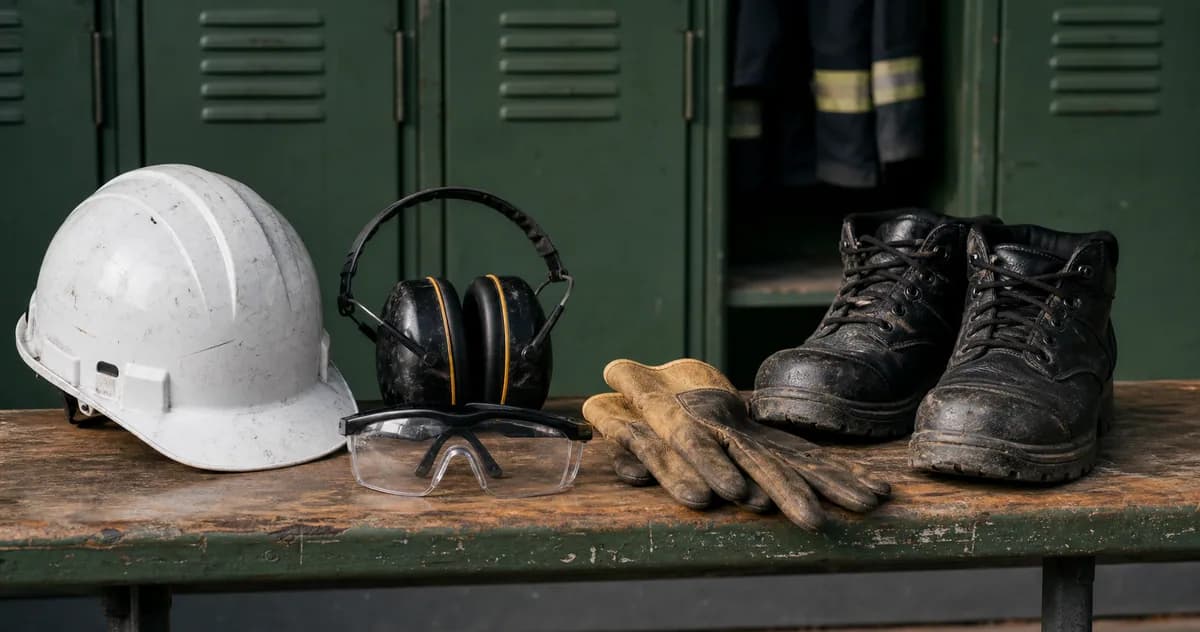
Helmet, goggles, gloves and respirator provide protection only when they are suitable for the task, are in good working order and are worn correctly.
- Author
- SafetyHub editorial team
- Publication date
- September 2, 2026
- Reading time
- 3 minute read
Contents
Personal protective equipment is the last barrier between danger and a person. It does not correct a faulty machine or replace a guard, but can reduce the consequences if selected for a specific risk and used correctly.
Five questions before you wear PPE
- What danger does it protect against in this particular task?
- Is the model and protection class suitable for the material, tool and conditions?
- Is the size correct and can the fit be adjusted?
- Are there any cracks, tears, dirt, expired or missing parts?
- Do I know the limitations and signs when the protection needs to be replaced?
Quick inspection
| PPE | Check |
|---|---|
| Helmet | Case without cracks or strong dents; the internal equipment is intact; fit adjusted |
| Safety glasses | Lenses provide clear vision; no cracks; temples or strap hold glasses |
| Gloves | Material suitable for risk; no punctures or tears; size does not interfere with grip |
| Respirator | Filter type corresponds to hazard; fit checked; valves and belts are OK |
| Safety shoes | The sole is intact and clean; the toe is not deformed; lacing or clasps are in good condition |
Fit matters more than habit
If the glasses fog up, the helmet slips, and the glove clings to parts, the person begins to adjust or remove the protection. This is a signal not to “endure”, but to choose a size, adjustment or compatible model. Several PPE should work together: the temples of the glasses should not interfere with the fit of the respirator, and the hood should not interfere with the fastening of the helmet.
When immediate replacement is needed
- after an impact, fall or contact with a substance if this could damage the protection;
- in case of crack, rupture, deformation, loss of transparency or failure of fastening;
- if the filter has exhausted its service life or there is an odor, breathing resistance or other signs according to the manufacturer’s instructions;
- if PPE cannot be cleaned properly or has been stored incorrectly;
- if the operation or hazard has changed and the current protection is not intended for them.
The calendar period is not permission to use the damaged item. Report the defect and receive a serviceable replacement in the manner established at your workplace. Do not repair the protector with tape, glue or random parts unless such repairs are provided by the manufacturer.
Keep reading
More practical guidance
Practical guide
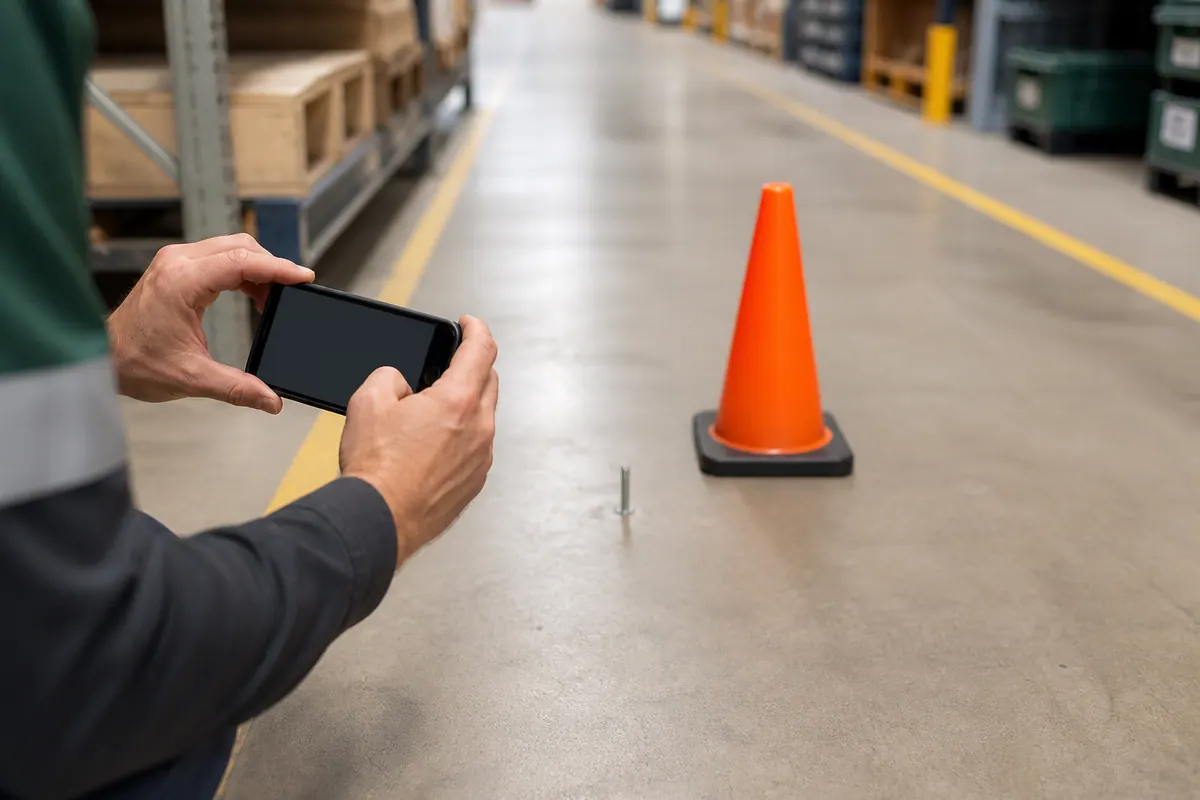
A near miss: why hazardous situations must be reported
What to write down after a near-incident, how to separate facts from guesswork and turn the signal into real improvement.
Read article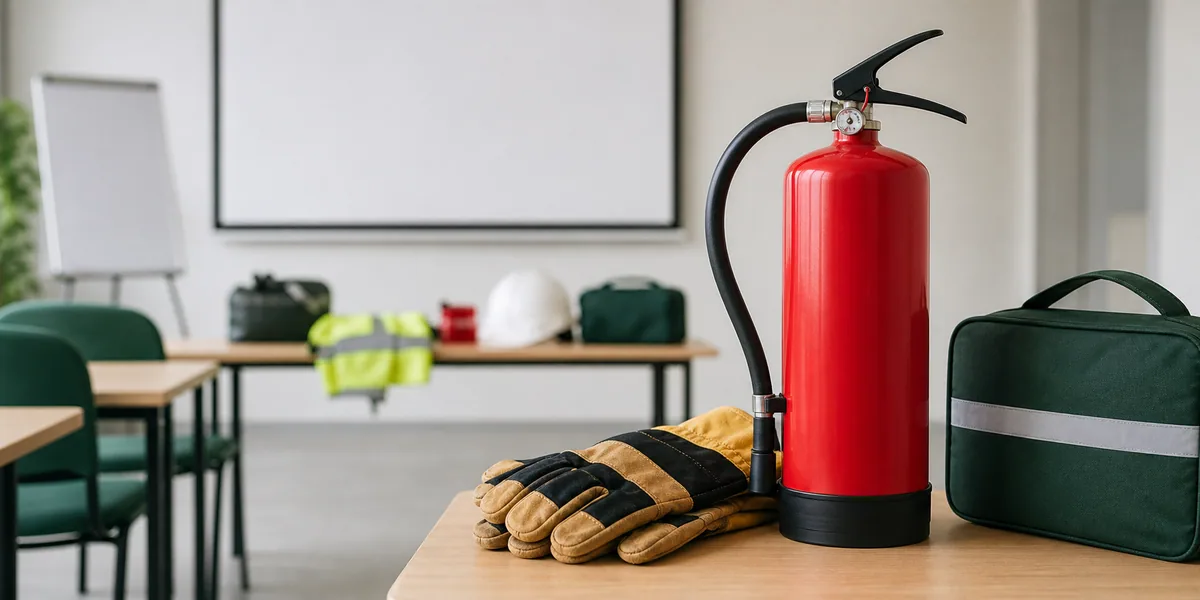
Practical guide
Fire alarm at work: what to do without panic
A clear sequence of actions in the event of smoke, a burning smell or an alarm - from message to safe exit.
Read article
Practical guide
First day at a new workplace: 12 questions before the start
What a newbie should know about risks, routes, equipment, PPE and communications before attempting their first independent task.
Read article