Practical guide
A near miss: why hazardous situations must be reported
What to write down after a near-incident, how to separate facts from guesswork and turn the signal into real improvement.
- Author
- SafetyHub editorial team
- Publication date
- September 2, 2026
- Reading time
- 3 minute read
Contents
The load swayed next to the man, the box fell into an empty passage, the tool fell off, but did not hit anyone. It's easy to exhale and forget. However, this situation freely reveals a weak point before injury occurs.
Secure the area first
If risk persists, stop the action, alert people, and notify the person in charge. Do not leave a dropped object, spill, or damage “until convenient.” In case of injury or deterioration of health, they first call for help and act according to emergency procedures, and make a recording later.
Five facts for a useful message
- When and where it happened - time, area, landmark.
- What was performed immediately before the event.
- What did you see or hear: movement, sound, position of objects.
- Who or what might have been hurt and how close it was.
- What temporary measures have already been taken: stopping, fencing, shutdown by a specialist.
| Bad wording | Useful wording |
|---|---|
| The driver is inattentive again | The forklift entered a turn while a pedestrian was in a marked crossing |
| The rack is bad | Deformation is visible on the second rack, the lower beam is displaced |
| Everyone violates | At 15:20 three people passed through the closed signal tape |
| Lucky, everything is fine | A box weighing about 10 kg fell a meter from the workplace |
Photos are not always useful
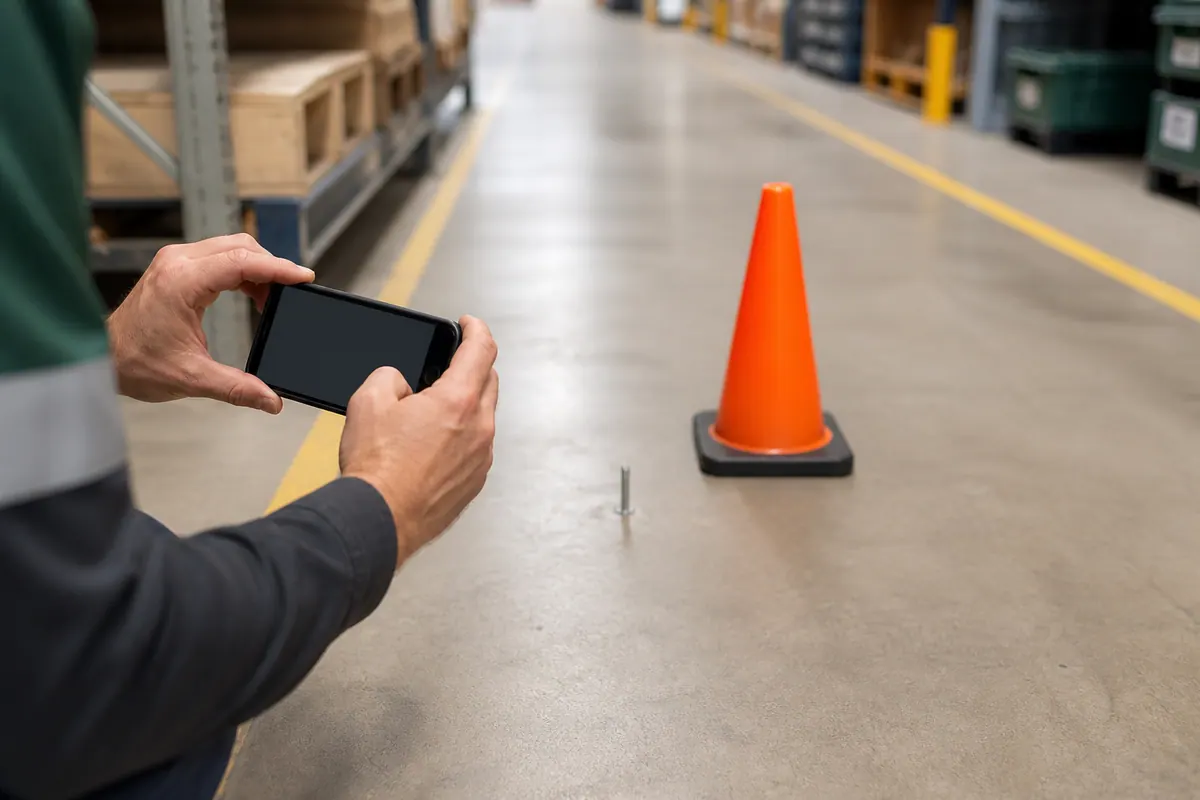
Take photographs only when permitted, safe and not disruptive to assistance. Do not enter a hazard zone merely to take a photograph. Do not photograph the injured person or documents containing personal data. An accurate sketch, time and description of object locations may be more useful than an attractive photograph.
How to understand that the message worked
- hazard temporarily isolated or eliminated;
- the message has been assigned a clear status or has been received by a specific person;
- the cause is determined, and not just the consequences are removed;
- the change is communicated to those facing the same risk;
- After fixing, it is verified that the problem does not recur.
“No one was hurt” is a good outcome, but a bad reason to not change anything.
If an event does result in an injury, do not try to decide for yourself whether it is considered work-related. Report it in a timely manner in the prescribed manner and retain the factual information for official review.
Keep reading
More practical guidance
Practical guide
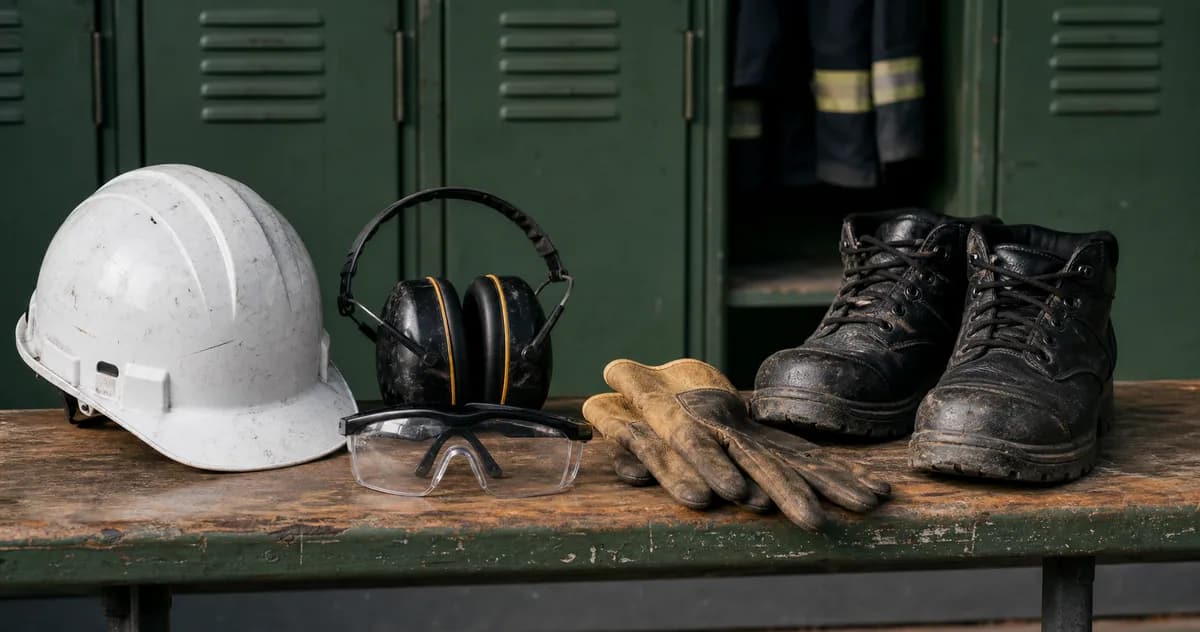
PPE beyond box-ticking: how to check protection before work
Helmet, goggles, gloves and respirator provide protection only when they are suitable for the task, are in good working order and are worn correctly.
Read article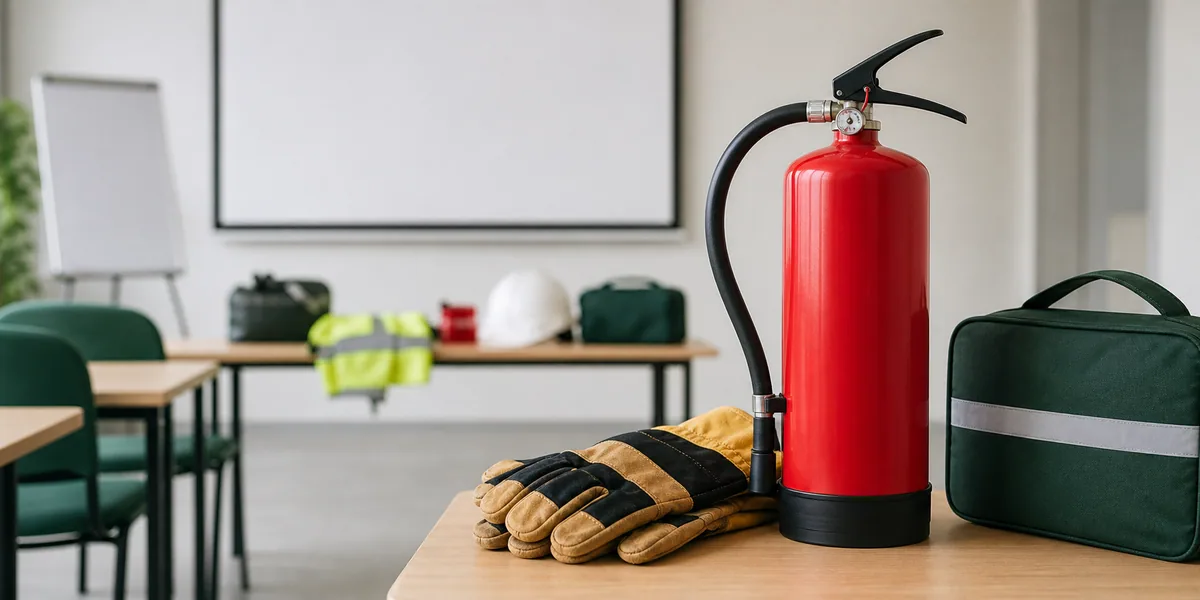
Practical guide
Fire alarm at work: what to do without panic
A clear sequence of actions in the event of smoke, a burning smell or an alarm - from message to safe exit.
Read article
Practical guide
First day at a new workplace: 12 questions before the start
What a newbie should know about risks, routes, equipment, PPE and communications before attempting their first independent task.
Read article