Practical guide
How to lift and carry a load without jerking or trying to be a hero
Practical testing of route, weight, grip and assistance before manually moving a box, part or tool.
- Author
- SafetyHub editorial team
- Publication date
- September 2, 2026
- Reading time
- 3 minute read

Contents
The back often suffers not because of one huge box, but because of repeated uncomfortable movements: reaching over the side, turning around with a load, lifting an object with unknown contents. The best movement is the one that was avoided by a cart, a lift, or a change in route.
Check before lifting
- Find out the mass and contents. If there are no markings, do not check the weight with a sharp jerk.
- Evaluate the shape: whether there are secure handles, sharp edges, contents shifting or poor visibility.
- Inspect the path and installation location: the doors are open, the passage is clear, the floor is dry, the height is clear.
- Select a cart, lifting device or partner before the load is in hand.
- Agree on the commands if you are carrying it together: who leads, when to lift, walk and lower.
The movement itself
Get close to the object, provide stable support and grasp it securely. Lift smoothly without jerking, keep the load close to your body and watch the route. To change direction, move your legs rather than twisting your body under load. Lower in the same controlled manner, keeping your fingers out of pinch zones.
| Sign | Best solution |
|---|---|
| Weight blocks view | Cart, second person or other means of transportation |
| No comfortable grip | Containers with handles, gripping device or repackaging |
| You need to reach above your shoulders | Change storage height or use lifting device |
| Long route ahead | Use wheeled vehicles and clear the way in advance |
| Need a lot of repetitions | Alternate tasks and mechanize the process according to a local procedure |
Carrying for two
Having two people does not automatically make a manual lift safe. Differences in height, pace and visibility can tilt the load. One participant must give short commands. Lift and lower together; if either person loses their grip, say so immediately and stop the movement safely instead of silently trying to hold the whole load alone.
Warning signs from the body
Pain, numbness, weakness, dizziness or extreme fatigue is a reason to stop and report the condition. Don’t “work out” the pain with another lift. If symptoms appear suddenly, worsen, or are associated with injury, seek medical attention as directed.
Professionalism is not about lifting the most, but choosing a method that can be safely repeated for the entire shift.
Keep reading
More practical guidance
Practical guide
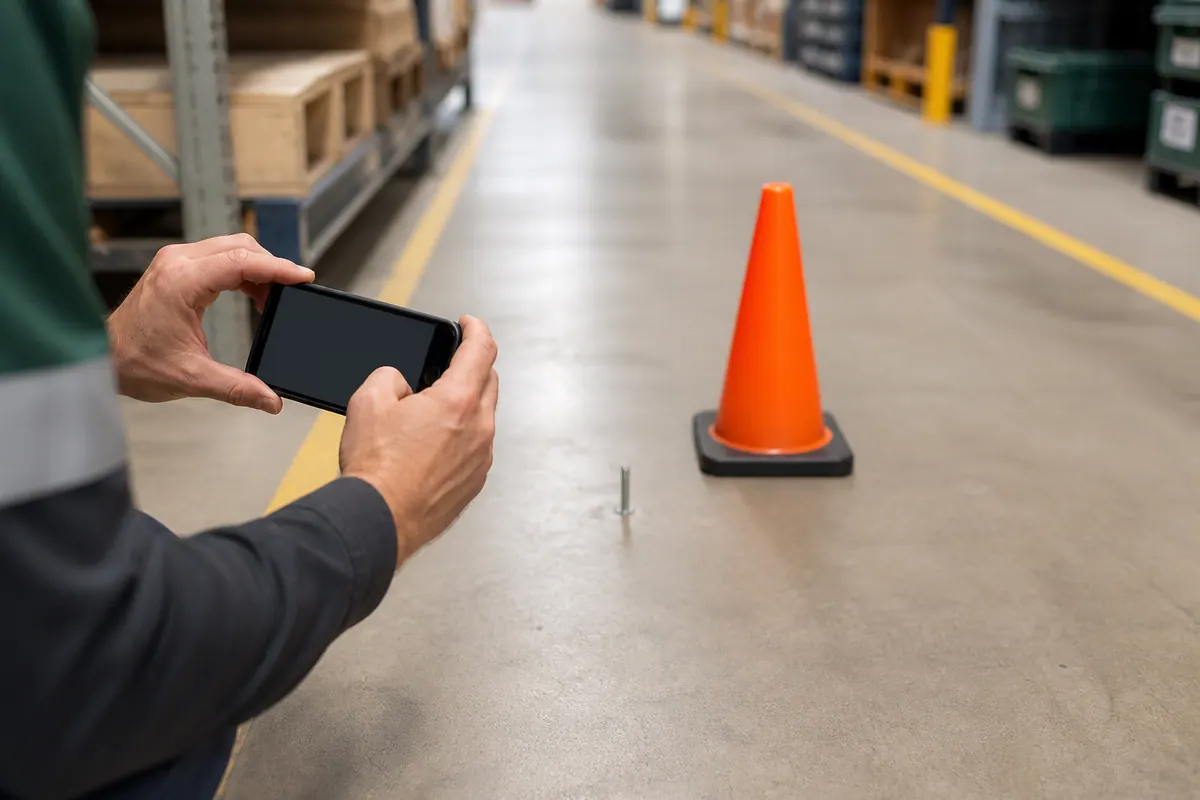
A near miss: why hazardous situations must be reported
What to write down after a near-incident, how to separate facts from guesswork and turn the signal into real improvement.
Read article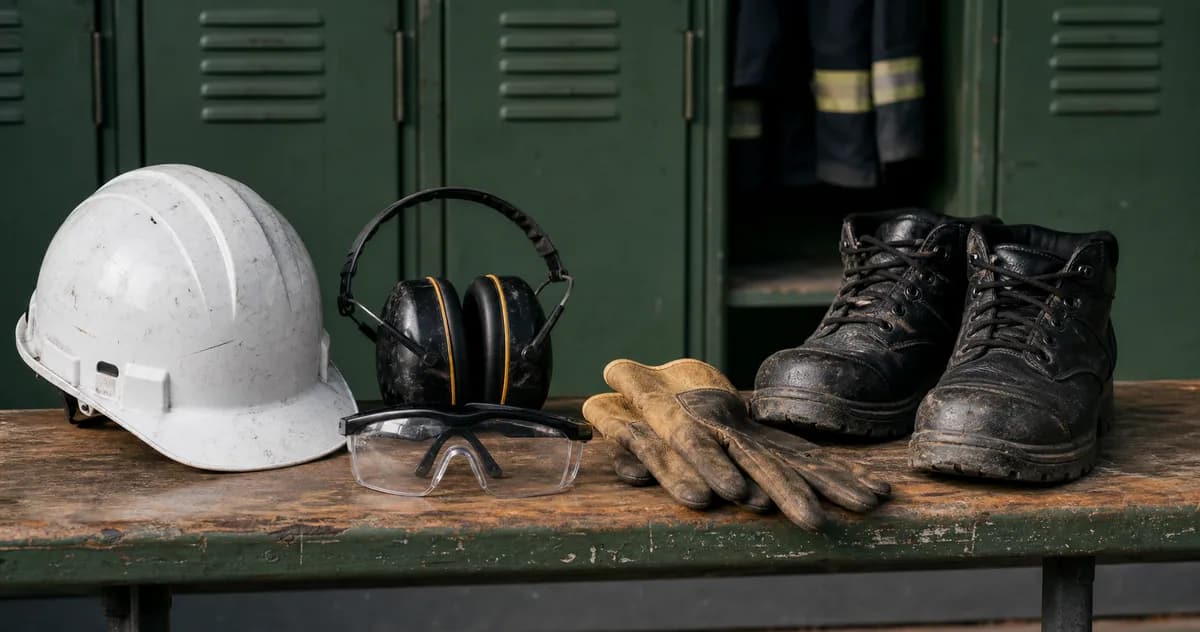
Practical guide
PPE beyond box-ticking: how to check protection before work
Helmet, goggles, gloves and respirator provide protection only when they are suitable for the task, are in good working order and are worn correctly.
Read article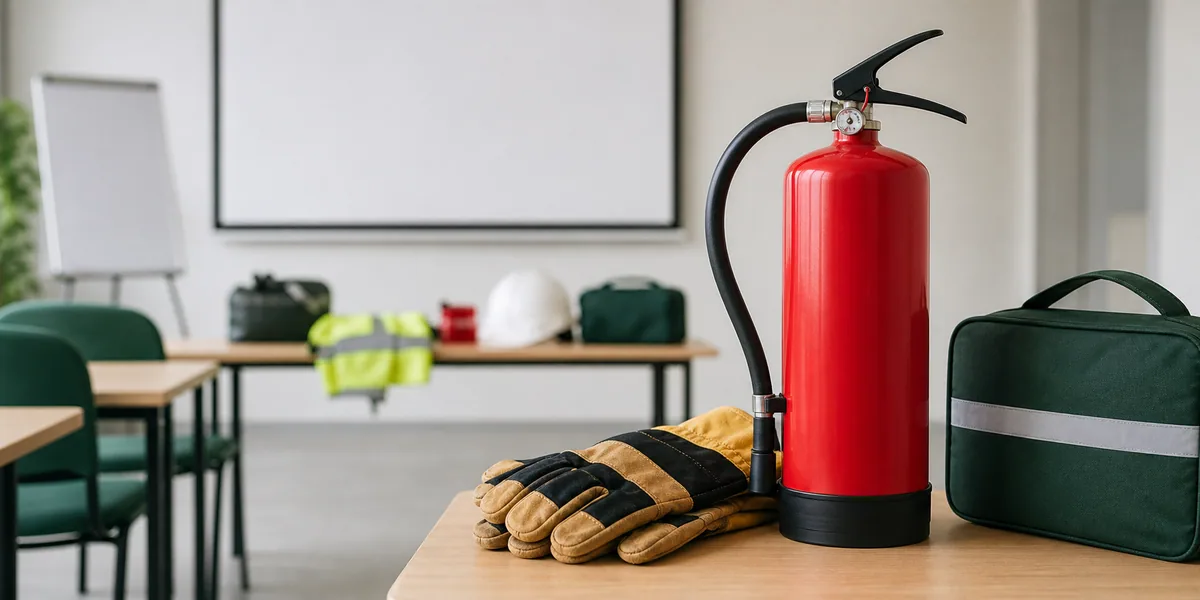
Practical guide
Fire alarm at work: what to do without panic
A clear sequence of actions in the event of smoke, a burning smell or an alarm - from message to safe exit.
Read article