Practical guide
Electrical safety for everyone: eight situations where unauthorized DIY is unsafe
What should an ordinary user do if there is a damaged cable, sparking, a burning smell, a wet socket or a dropped wire.
- Author
- SafetyHub editorial team
- Publication date
- September 2, 2026
- Reading time
- 3 minute read
Contents
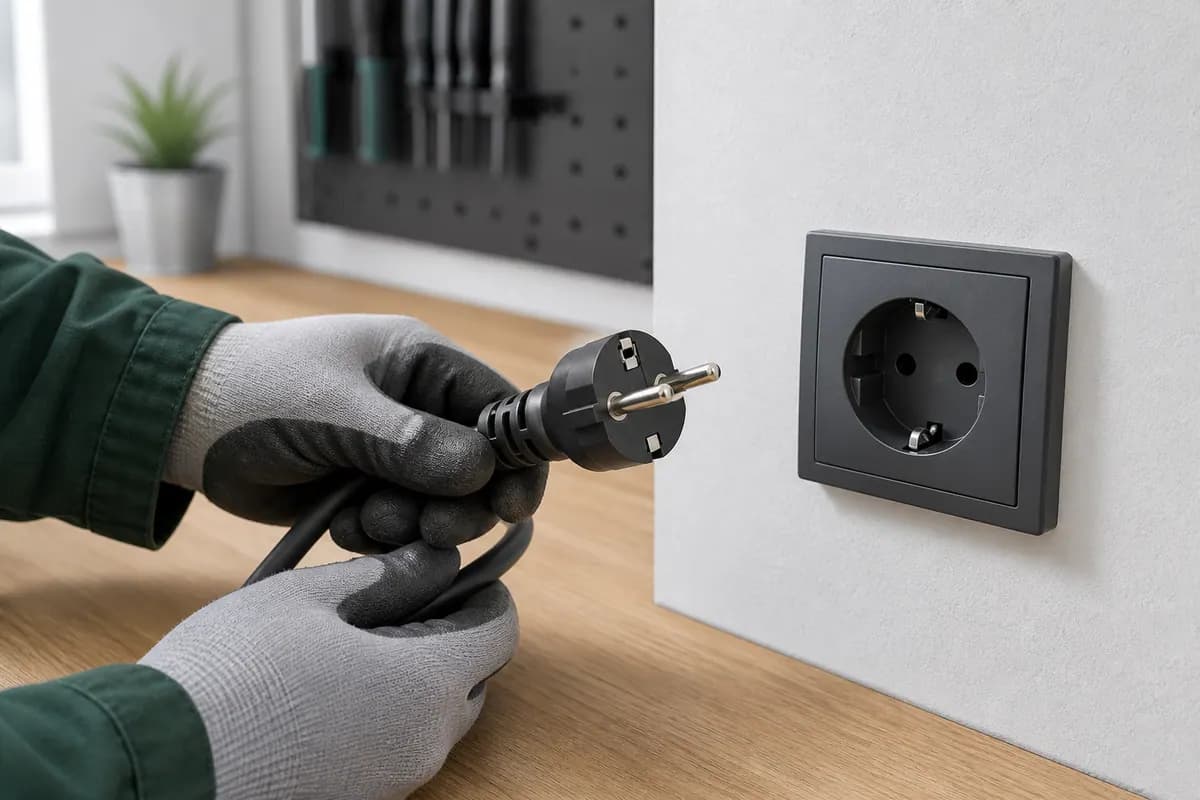
An electric shock does not require a large electrical panel or a high-voltage line. A damaged extension lead, a wet socket or a faulty metal enclosure can look ordinary—which is exactly why someone may reach out and touch it.
Eight “do not touch” signals
- the copper core is visible, the insulation is cracked or the plug is stuck to the wires;
- the socket, cable or housing becomes hotter than usual;
- there is sparking, crackling, a burning smell or traces of soot;
- the equipment is electrocuted or the protection is triggered;
- water has entered an electrical device or is located near the connection;
- the cable is pinched by a door, appliances, furniture or lies in the passage;
- the shield is open, the cover is removed or the danger sign is damaged;
- the wire fell on the ground, vehicle, fence or tree.
Correct reaction of an ordinary user
| Situation | Safe action |
|---|---|
| Extension cord damaged | Do not use it; label it as defective and hand it over for replacement |
| There is a burning smell | Stop work, step away, report; shutdown is carried out in a safe, established manner |
| Socket wet | Do not touch the outlet or nearby water; restrict access and call a specialist |
| The machine has switched off again | Do not turn on repeatedly; report to find the cause |
| Wire fell to the ground | Do not approach or touch objects nearby; warn people and call for help |
Why “quick twist” is dangerous
A seemingly disconnected device may receive voltage again, retain a charge, or be connected to another source. Safe electrical work requires a specific sequence of shutdown, testing, protection against activation, and approval. Duct tape over unknown damage is not this sequence.
If a person comes under voltage
Do not grab it with your hands. Call 112 immediately and inform dispatch that there may be an electrical shock. Achieve source shutdown in a safe manner through trained personnel. Approach and provide assistance only when it is confirmed that there is no electrical danger, following the instructions of the dispatcher and your training.
Electricity does not forgive a tentative touch. Doubt is a sufficient reason to step away and call a specialist.
Keep reading
More practical guidance

Practical guide
A near miss: why hazardous situations must be reported
What to write down after a near-incident, how to separate facts from guesswork and turn the signal into real improvement.
Read article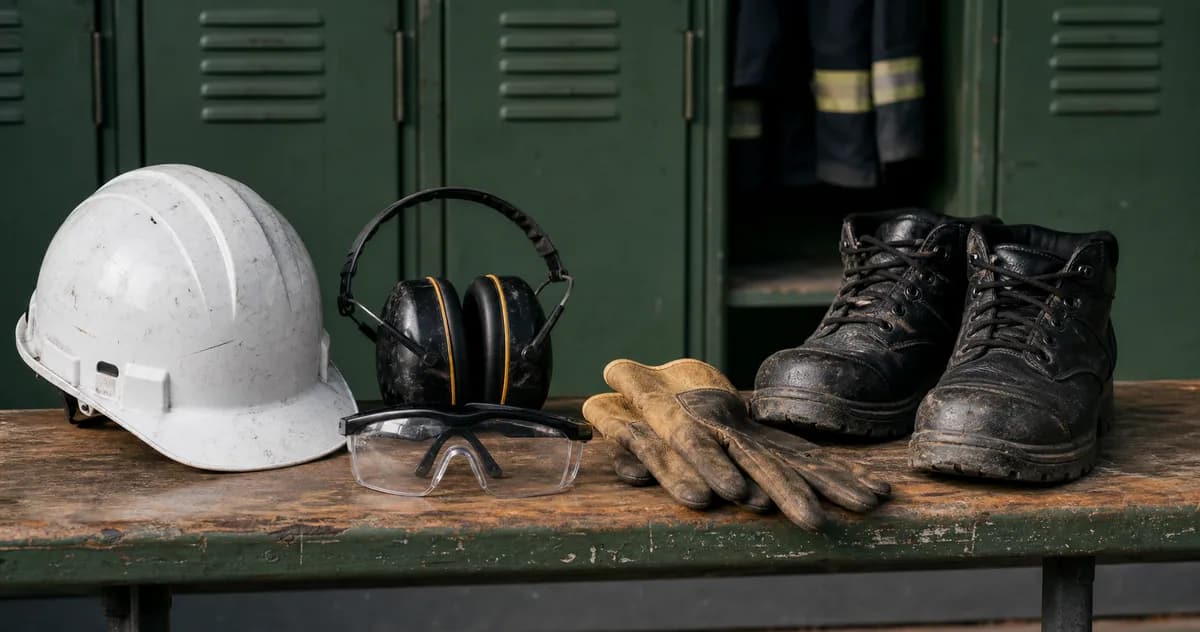
Practical guide
PPE beyond box-ticking: how to check protection before work
Helmet, goggles, gloves and respirator provide protection only when they are suitable for the task, are in good working order and are worn correctly.
Read article
Practical guide
Fire alarm at work: what to do without panic
A clear sequence of actions in the event of smoke, a burning smell or an alarm - from message to safe exit.
Read article