Practical guide
First aid at work: staying composed in the first minutes
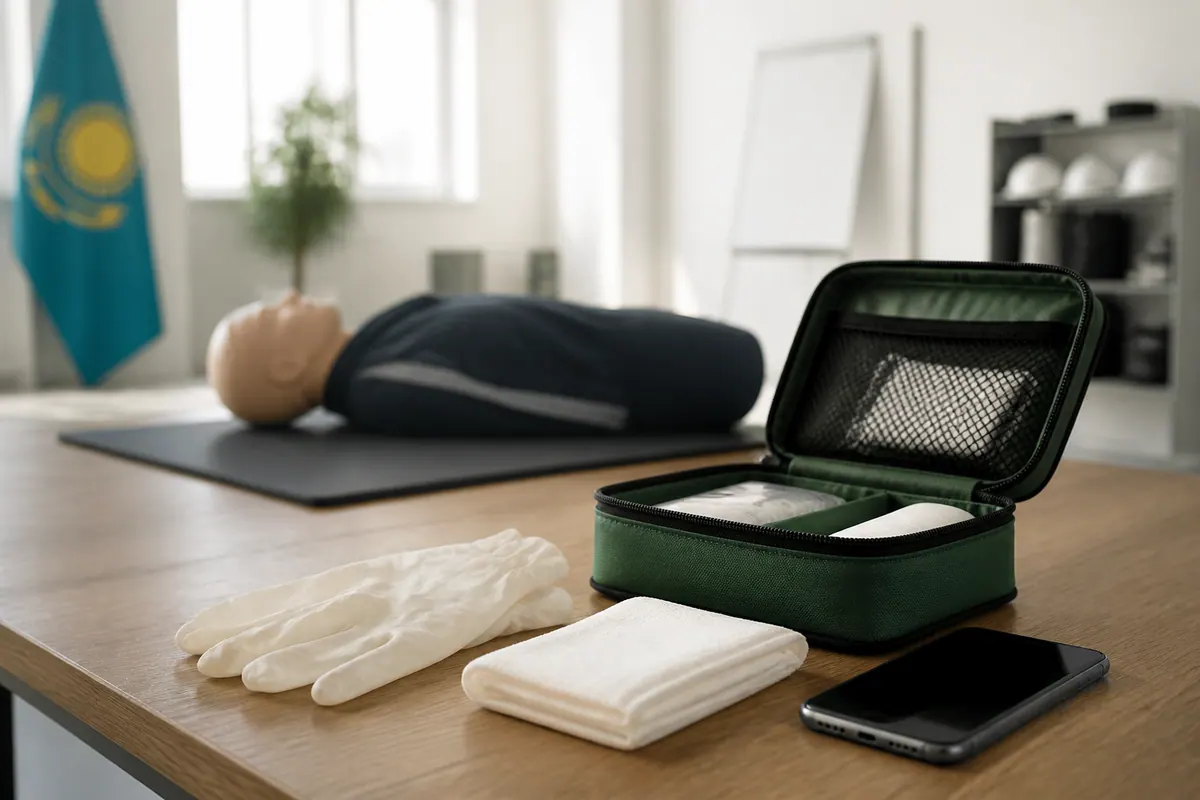
Safe algorithm for an eyewitness: assess the situation, call for help, support the victim and not cause harm by unnecessary actions.
- Author
- SafetyHub editorial team
- Publication date
- September 2, 2026
- Reading time
- 3 minute read
Contents
first aid starts not with a first aid kit, but with a hazard assessment. If you rush to the victim under voltage, into smoke or under a moving mechanism, there will be more victims. A calm sequence of actions is more important than trying to remember everything at once.
Eyewitness algorithm
- Stop and assess the location: electricity, fire, gas, movement of equipment, falling objects and other threats.
- Call a specific person: “You are wearing a blue jacket, call 112 and bring a first aid kit.” This way the request will not disappear into the crowd.
- Tell the dispatcher the exact address, entrance or workshop, number of victims, visible hazard and your phone number.
- If the approach is safe, check the person's response and follow the controller's instructions to the best of your training.
- Stay nearby, monitor the condition and convey only known facts to the arriving specialists.
What to say to emergency services
| Need to report | Example |
|---|---|
| Where | Warehouse on Abay Street, entry through the second entrance, sector B |
| What happened | worker fell down the stairs, is conscious |
| How many victims | One person |
| Is there hazard | The movement of forklifts is stopped, the area is fenced |
| Who will meet | A colleague is waiting for a team at the entrance |
Helping does not mean doing everything
Do not give medicine, food or drink unless directed by a healthcare professional. Do not move a person after a fall or impact unless there is an immediate threat at the scene. Don't try to "fix" the damage. In the event of bleeding, burns, impairment of consciousness or breathing, follow the dispatcher’s prompts and the techniques that you have been trained in.
After transfer to doctors
Report the incident to your supervisor in the prescribed manner and write down the facts while they are fresh: time, location, what you saw and what actions you took. Do not post photos of the victim or medical details in general chats. It's normal to feel confused after a difficult event - seek support if you need it.
Site safety, early call for help and accurate information are already significant assistance to the victim.
Keep reading
More practical guidance
Practical guide
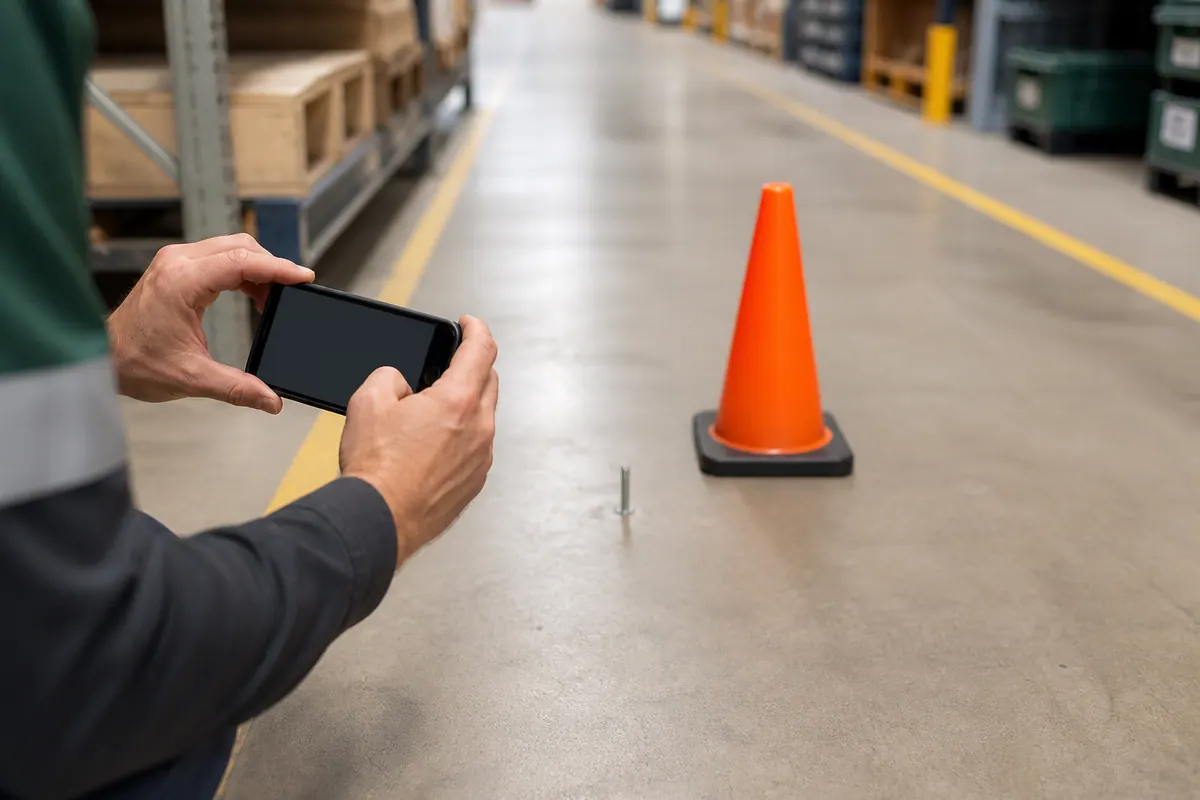
A near miss: why hazardous situations must be reported
What to write down after a near-incident, how to separate facts from guesswork and turn the signal into real improvement.
Read article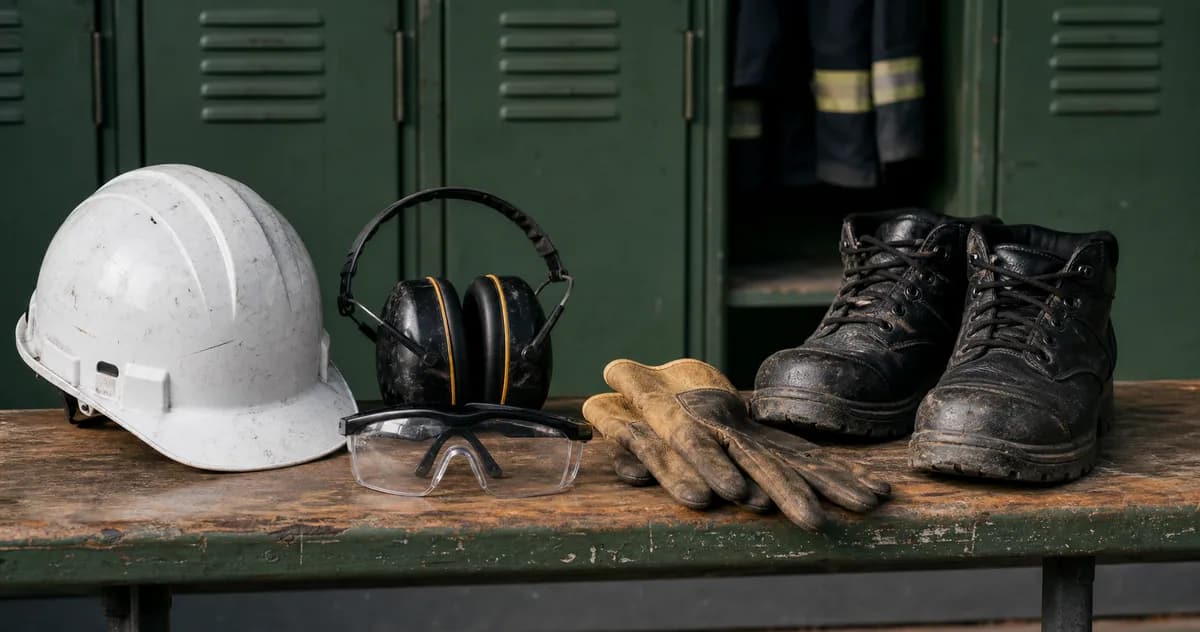
Practical guide
PPE beyond box-ticking: how to check protection before work
Helmet, goggles, gloves and respirator provide protection only when they are suitable for the task, are in good working order and are worn correctly.
Read article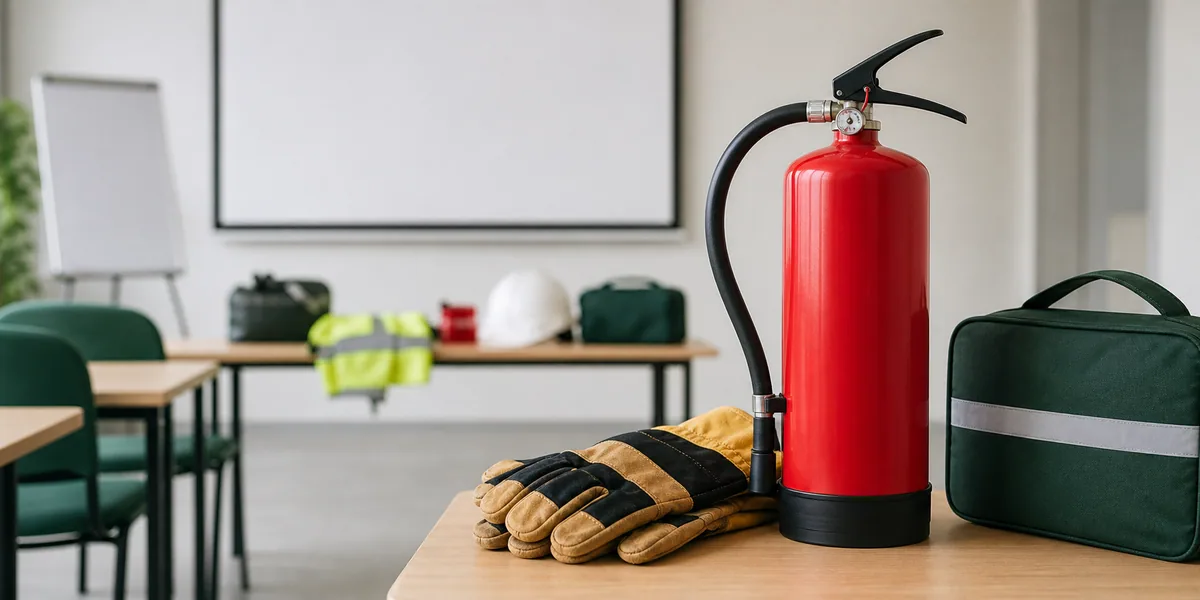
Practical guide
Fire alarm at work: what to do without panic
A clear sequence of actions in the event of smoke, a burning smell or an alarm - from message to safe exit.
Read article